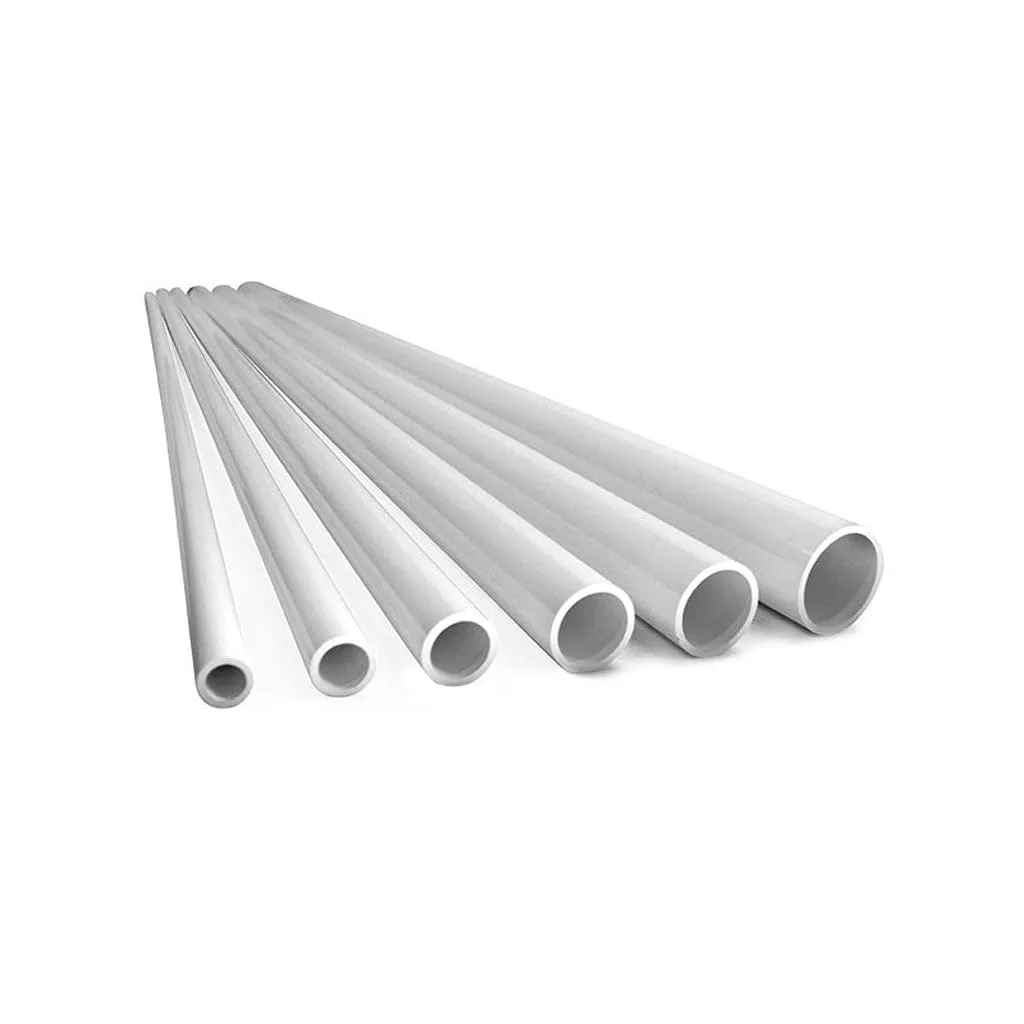
Why Calcium Carbonate is Crucial for PVC Pipe Manufacturing
Calcium Carbonate (CaCO3) is one of the most widely used fillers in the plastics industry, particularly in the manufacturing of Polyvinyl Chloride (PVC) pipes. Its unique properties offer both economic and functional benefits.
Cost Efficiency
The most obvious advantage of using calcium carbonate as a filler is cost reduction. By replacing a portion of the more expensive PVC resin with calcium carbonate, manufacturers can significantly lower their raw material costs without compromising on quality.
Mechanical Improvements
Beyond cost savings, calcium carbonate enhances the mechanical properties of PVC pipes:
- Increased Stiffness: It improves the rigidity and impact strength of the pipes, making them more durable and resistant to deformation.
- Better Heat Resistance: Calcium carbonate increases the heat deflection temperature, allowing the pipes to withstand higher operating temperatures.
- Improved Surface Finish: The use of fine, coated calcium carbonate results in a smoother interior and exterior surface, reducing friction for fluid transport.
Choosing the Right Grade
For optimal results, manufacturers typically use coated calcium carbonate. The surface treatment with stearic acid ensures excellent dispersion within the polymer matrix, preventing agglomeration and maintaining the structural integrity of the final product.
Looking for Calcium Carbonate Powder?
Raviraj Minerals is a trusted manufacturer, supplier & exporter based in Udaipur, India. Get bulk pricing and a free quote today.